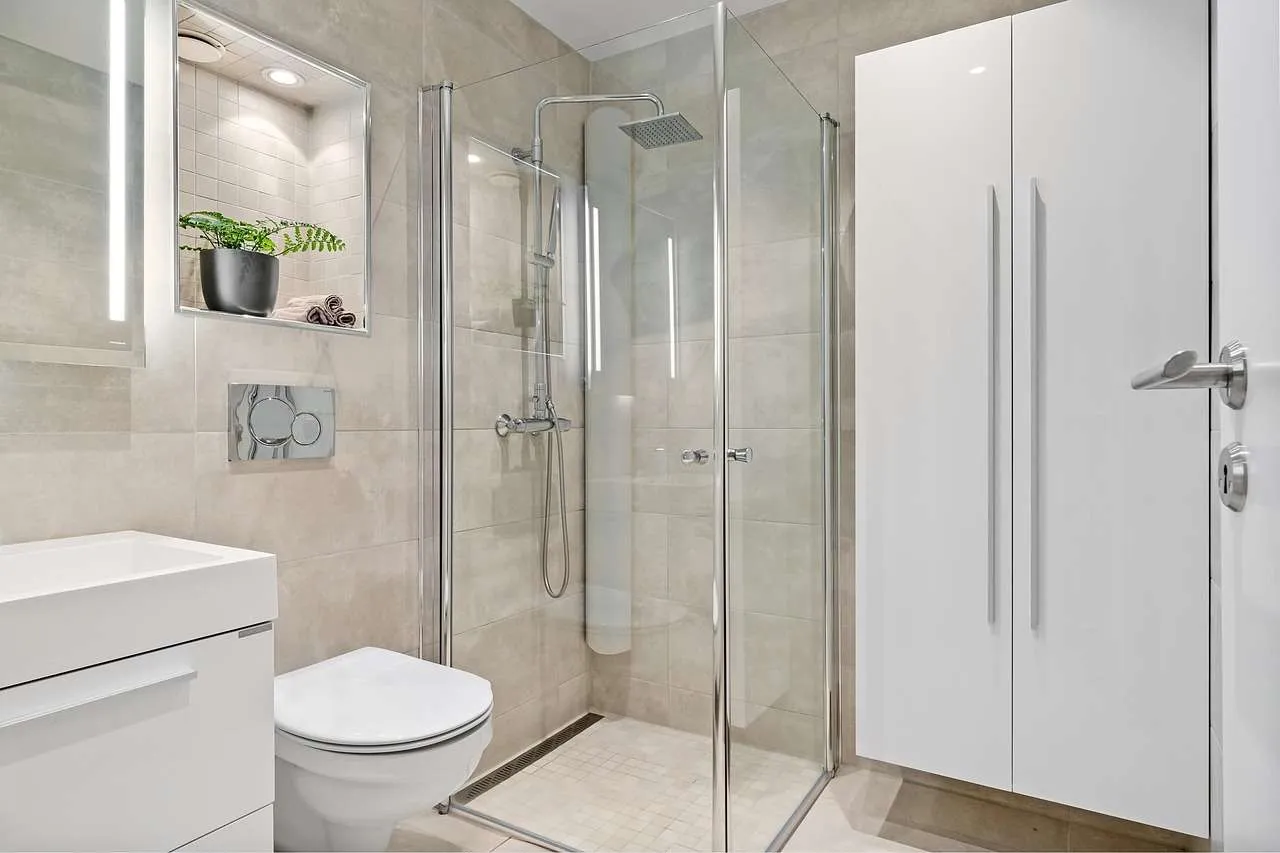
A well-planned small bathroom ideas journey begins with understanding the space, the daily routines, and how materials perform over time. In this guide, you’ll find practical, tested strategies to maximize square footage without sacrificing style. Drawing on professional design principles and real-world install notes, the tips below address common pain points—awkward doors, cramped showers, limited storage—and translate them into actionable steps you can implement today. Whether you’re refreshing a half-bath or redesigning a primary bath, these ideas help you create a brighter, more organized, and more comfortable room.
Smart Layout and Planning
Start with measurement and traffic flow. Measure door swing, vanity depth, and shower clearance, then draw a basic floor plan. In small baths, every inch counts, so prioritize zones for toilet, sink, and shower with clear pathways of at least 24 inches in front of fixtures. Consider a pocket door or a sliding door to free wall space for storage and mirror placement. If possible, place the sink away from the toilet to reduce crowding and improve usability for two people in tight spaces.
Measure and Prioritize
Use precise measurements (to the nearest 1/8 inch) and create a scale drawing. Note plumbing locations and any constraints from existing piping. Prioritize essential activities—toilet, handwashing, and showering—then design around them. If reconfiguring plumbing is possible, even a small shift can gain valuable space for a shallow vanity or a corner shelf.
Zoning for Function
Divide the bath into zones: wet zone (shower/t bath) and dry zone (vanity and toilet). Keeping wet-areas contained reduces moisture on finishes and allows lighter surfaces elsewhere. Use a frameless glass enclosure to visually expand the shower and reflect light, rather than opaque partitions that close in the space.
Storage and Fixtures
Wall-Hung Fixtures
Wall-hung toilets and vanities create open sightlines, making the room feel larger. They also simplify cleaning and allow slim storage drawers or open shelving beneath. Choose soft-close hardware and compatible drainage to prevent leaks and noise issues.
Built-in Storage
Incorporate recessed niches in the shower for soap and shampoo to reduce clutter. Over-the-toilet cabinets, tall slim storage towers, or vertical pull-out organizers maximize storage without consuming precious floor space.
Mirrors and Lighting
A large mirror or mirrored wall reflects light and doubles perceived size. Combine ambient ceiling lighting with task lighting above the vanity and sconces beside the mirror to minimize shadows. Consider daylight-balanced bulbs to preserve color accuracy in a compact space.
Materials and Finishes
Light Colors and Reflective Surfaces
Choose pale tiles, white or light-gray grout, and glossy or matte-but-reflective surfaces to bounce light around the room. A consistent color palette with a few accent pieces makes the space feel cohesive and larger. Avoid heavy, dark patterns that visually shrink the area.
Water-Resistant Options
In moisture-prone areas, select water-resistant laminates, porcelain tile, and quartz countertops with sealed edges. Non-porous materials resist stains and simplify maintenance, supporting long-term durability in small bathrooms.
Design Styles and Budget
Budget-Friendly Upgrades
Small changes yield big impact: add a floating vanity, replace a bulky mirror with a frameless version, install a compact shower door, and switch to chrome or matte-black fixtures. These upgrades can fit modest budgets while delivering a refreshed look and better function.
Quality and Longevity
Invest in durable fixtures and high-quality seals, as small spaces rely on reliable performance. Choose water-resistant paints, moisture-rated drywall, and properly sealed joints to prevent mold growth and costly repairs over time.
Comparison: Before and After
| Feature | Before | After | Key Benefit | Estimated Cost |
|---|---|---|---|---|
| Layout | Awkward doorway, wasted wall space | Pocket/Sliding door, open wall lines | Better traffic flow | Low–Medium |
| Storage | Open shelves or none | Built-in niche and vertical storage | More storage without floor clutter | Medium |
| Shower | Shower-curtain or tub enclosure | Frameless glass enclosure | Feels larger and brighter | Medium–High |
| Fixtures | Oversized vanity with deep drawers | Wall-hung vanity, compact under-sink storage | Clearance and easy cleaning | Low–Medium |
| Lighting | Single ceiling light | Layered lighting + backlit mirror | Improved visibility and mood | Medium |
| Finishes | Dull or heavily patterned surfaces | Light, reflective finishes | Perceived space and cleanliness | Low–Medium |
Conclusion
Conclusion, applying these small bathroom ideas creates a more open, functional, and stylish space without overhauling plumbing. Focus on layout, smart storage, durable finishes, and budget-friendly upgrades to maximize value and satisfaction.
