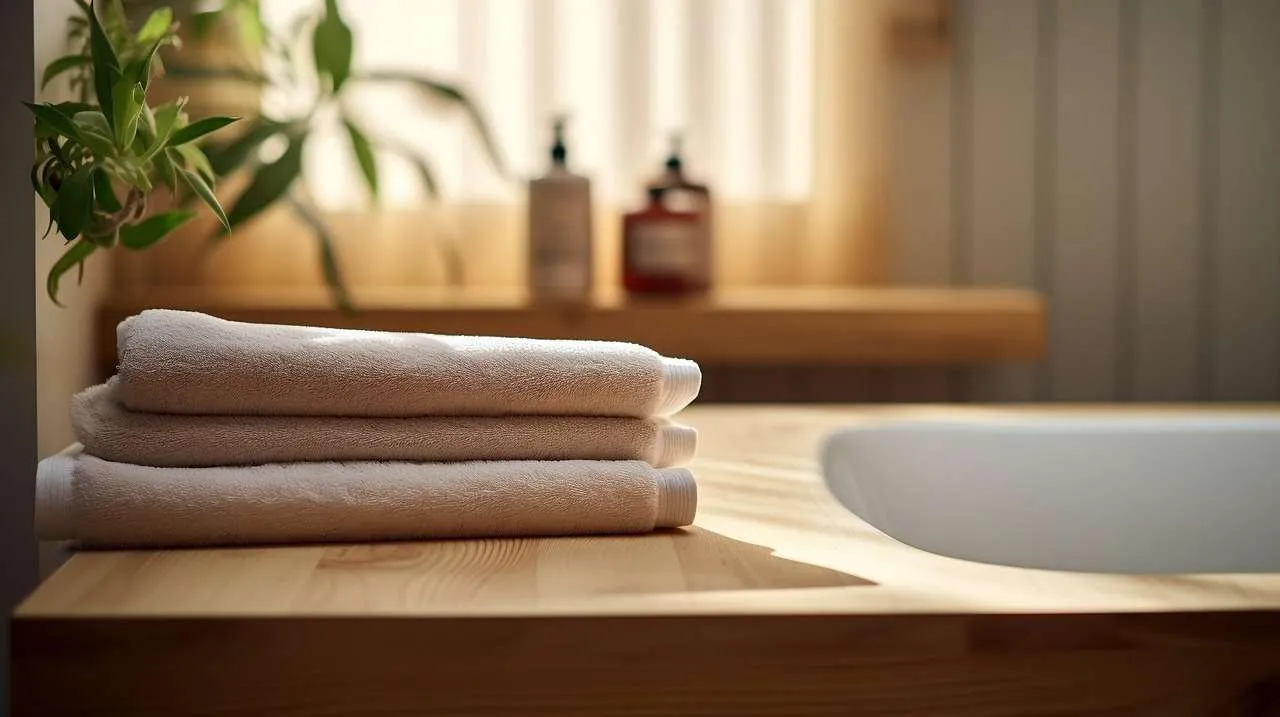
Bathroom decor is more than surface-level styling; it reflects how we live and how we use one of the most daily spaces in our homes. A well-planned decor approach blends durability, comfort, and aesthetics, proving you don’t have to sacrifice function for beauty. In this guide, you’ll find practical, designer-informed tips to elevate bathroom decor with color, textures, fixtures, and storage ideas that stand the test of time.
Understanding Bathroom Decor: Key Elements
Effective bathroom decor combines five core elements: color, materials, lighting, fixtures, and storage. Color sets the mood, while materials determine durability against humidity and frequent cleaning. Layered lighting adds versatility for tasks such as shaving or makeup, and well-chosen fixtures (sink, faucet, shower head) anchor the look. Storage keeps clutter at bay, which is essential for a calm, spa-like feel. When these elements harmonize, the space feels intentional rather than accidental.
Color Schemes and Styles
Neutral bases (soft whites, warm beiges, cool grays) create a timeless backdrop that works with most decor directions. Add personality with an accent color or natural textures. For a coastal vibe, pair pale blues with white cabinetry and woven textures. Modern minimalism benefits from a restrained palette of white, charcoal, and chrome. Luxe spa-inspired bathrooms often use warm stone tones, creamy whites, and metallic accents like brass or brushed nickel. When designing small bathrooms, light colors reflect more light and visually expand the space, while larger patterns can be used as focal points without overwhelming the room.
Lighting and Mirrors
Layered lighting is a cornerstone of good bathroom decor. Combine ambient ceiling fixtures with task lighting around mirrors and subtle accent lighting to highlight architectural details. Aim for 2700K–3000K for a welcoming, warm tone, or go up to 3500K–4000K for a bright, salon-like effect. Consider anti-fog mirrors, LED backlighting, and dimmable controls to adapt the mood. The size and shape of mirrors influence perceived space; larger mirrors or mirrored cabinets can visually expand a small bathroom and reflect more light.
Fixtures and Hardware
Fixtures are the hardware that tie a look together. Metals such as chrome, brushed nickel, matte black, and brass create distinct vibes. Consistency is key: choose one metal family for faucet, shower hardware, towel bars, and cabinet hardware to achieve a cohesive look. If you like mixing metals, do so deliberately by using one dominant finish and one accent finish in small doses to avoid a chaotic appearance. Consider water efficiency without sacrificing style, and opt for corrosion-resistant finishes in humid environments.
Storage Solutions and Small Bathrooms
Smart storage transforms a chaotic space into a serene one. Floating vanities, recessed niches, and tall, slim cabinets maximize floor area. Open shelving can display attractive baskets, rolled towels, and decorative items while keeping essentials accessible. Use clear or woven containers to maintain a tidy look, and implement vertical storage to counter limited depth. A cohesive color palette across cabinetry, vanity, tile, and textiles helps even a compact bathroom feel coordinated and expansive.
Budget-Friendly Decor Ideas
Creating a polished bathroom decor doesn’t require a luxury budget. Start with a fresh coat of paint or repaint the vanity in a durable color. Update hardware (drawer pulls, faucet handles) for an instant lift. Swap shower curtains, towels, and bath mats to introduce texture and color without major renovations. Add removable decals or decals on glass, and consider versatile, durable materials like porcelain tile or ceramic that balance cost and longevity. If possible, repurpose existing elements with minor refinishing or re-grouting to refresh the look without a full remodel.
Materials and Maintenance
Material choices influence both aesthetics and upkeep. Ceramic and porcelain tiles are affordable, moisture-resistant options with broad design variety. Natural stones such as marble or travertine offer luxury but require sealing and regular maintenance. Quartz countertops resist staining and scratches, making them practical for bathroom vanities. For floors, choose slip-resistant finishes. Sealing grout periodically prevents staining and mold growth. A clear maintenance plan helps preserve the original beauty of bathroom decor over time.
Comparison: Finish Options for a Cohesive Look
| Finish/Option | Pros | Cons |
|---|---|---|
| Neutral Palette | Timeless, versatile, easy to pair with accents | May appear bland without texture |
| Bold Accent Color | Creates a focal point and personal style | Requires careful balance to avoid overwhelm |
| Matte Black Fixtures | Modern, hides fingerprints, pairs well with bright whites | Scratches or chips can be noticeable; may feel heavy in small spaces |
| Natural Stone Surfaces | Luxurious, timeless, durable with proper care | Higher cost and maintenance; sealing required for some stones |
Checklist for a Cohesive Look
- Define a main color palette and repeat it in tile, cabinetry, textiles, and accessories.
- Layer lighting for ambience, tasks, and accents; use dimmers where possible.
- Choose one metal family for fixtures and hardware to maintain coherence.
- Incorporate texture through textiles, rugs, baskets, and varied tile patterns.
- Plan storage that hides clutter while showcasing curated decor items.
Conclusion, thoughtful bathroom decor blends color psychology, durable materials, and clever storage. Prioritize unified finishes, layered lighting, and quality fixtures, then personalize with textiles and art in a cohesive palette.
